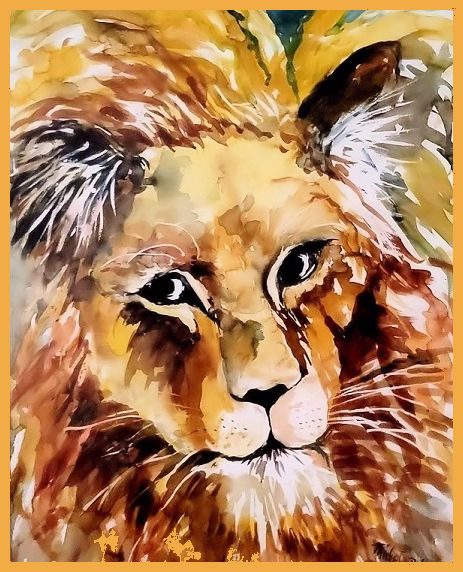
Hurt people, hurt people ∙∙
The Spirit of the LORD is upon me, for the LORD has anointed me to bring good news to the poor. He has sent me to comfort the brokenhearted and to proclaim that captives will be released and prisoners will be freed. – Isaiah 61:1
Psalms 34:18-22
18 The LORD is close to the brokenhearted; he rescues those whose spirits are crushed.
19 The righteous person faces many troubles, but the LORD comes to the rescue each time.
22 But the LORD will redeem those who serve him. No one who takes refuge in him will be condemned.
Who are the walking wounded?
The term “walking wounded” originates in first aid and triage and describes individuals with less severe injuries. These people are conscious and breathing and are of lower priority for immediate medical treatment. Sometimes, they even assist in helping those more critically hurt.
Emotionally, the walking wounded are people carrying deep losses, searching for closure but but never achieving 100% satisfaction. They go through life functioning, yet something inside them remains broken. Grief is a personal journey with no predefined path or guidebook. Everyone’s experience of loss is different, and navigating it often feels like wandering around in unknown territory.
Many of the walking wounded have wounded hearts. They had been ravaged by emotional pain. Wounded hearts can ache throughout a lifetime. To shield themselves, they prioritize safety and self-protection above all else, vowing never to be hurt again. The fear of vulnerability drives them to avoid being powerless, rejected, abandoned, dominated, or betrayed.
Folks with wounded hearts limit and control their emotions. They are like a rental truck with the governor or speed limiter on the engine, limiting the top speed. They function within boundaries that keep them from fully experiencing life. They may appear organized but struggle to maintain control. While they can be kind and giving, they may lack warmth and are hardly inviting. Though outwardly functional, they rarely feel fully alive.
Healing a wounded heart is not a one-size-fits-all process. However, the first step is recognizing that the Father’s love is constant and unwavering. He watches over the brokenhearted, offering comfort and healing. He understands their pain and sorrow. The Father is close and reaching out to them. He draws near.
Psalm 34:18 reminds us, “The LORD is close to the brokenhearted; he rescues those whose spirits are crushed.”
The Father is an excellent heart surgeon, fully capable of repairing what feels irreparably broken. He works with precision and care, making no errors. His touch is safe and therapeutic. However, healing—even when guided by divine hands—can bring with it the fear of more pain. The question remains: Is the healing worth the potential discomfort? Is the risk worth the liberating outcome? The answer lies in the freedom and renewal that only His work can bring.
The 21st century has seen the emerging new modalities of regenerative science. Previously, deep wounds, insults to the body, and broken body parts necessitated invasive surgery and lengthy recuperation times. Enter the age of regenerative medicine, using STEM cells and PRP to regenerate human tissue without any surgical intervention and prolonged recovery or trauma.
If human innovation can achieve such remarkable outcomes, how much greater is the Father’s ability to restore emotional wounds and shattered spirits? He mends brokenness with a gentle touch, offering healing without additional pain, drawing the wounded into wholeness and life once more.
When permitted to operate, He performs the spiritual healing we desperately need. With profound care, He soothes our pain, brings comfort, and applies His unique and perfect healing balm. The process of restoration begins with His gentle touch. No matter how overwhelming the pain feels or how broken our hearts may seem, we can fully trust our hearts to the loving, compassionate, and skilled hands of the One who made it.
Psalm 147:3 reassures us, “He heals the brokenhearted and bandages their wounds.”
The Hebrew word translated as “heals” is rapha. Rapha has the sense of providing everything necessary to restore and make whole. While a human surgeon may fix physical heart damage, only the Father has the power to renew and completely restore a broken heart.
Redemption and regeneration are at the core of His divine business model,
bringing life, hope, and healing to places that seemed beyond repair.
REFLECT & PRAY
The pain of a wounded heart can feel overwhelming, almost impossible to endure. Yet, with grace, we can bear it. Healing and recovery seldom happen in an instant; instead, they unfold gradually, much like the recovery process after physical heart surgery. Restoration takes time, patience, and trust.
Father, I come to You with a damaged and shattered heart. I desperately need Your healing touch. Please do what only You, in Your infinite love and power, can do.
INSIGHT
The Father does not exempt His children from troubles, but He faithfully walks with us through them. We can always count on His unwavering acceptance and understanding.
As we receive His forgiveness, acceptance, and affirmation, we are to forgive and accept others as we have been forgiven and accepted. The way we respond to others in similar situations reveals the state of our hearts. Our attitudes and actions reflect our hearts. May we cultivate hearts filled with mercy, love, and forgiveness as we walk in His example.
James 2:13 There will be no mercy for those who have not shown mercy to others. But if you have been merciful, God will be merciful when he judges you.
How much acceptance should we extend to others? The answer lies in how much we have received ourselves.
Romans 15:7 says, “Accept each other just as Christ has accepted you so that God will be given glory.”
Sadly, many of us pass on the rejection we’ve experienced. As the saying goes, “Hurt People, Hurt People” (Sandra Wilson). But that cycle can stop right here and now. The pain of past rejection does not have to dictate how we treat others today or in the future. By letting go of the all-too-frequent tendency to reject others, we expand our ability to accept them.
Isaiah 43:18 reminds us, “Forget the former things; do not dwell on the past.”
Wiersbe describes bitterness as a deep-rooted animosity that corrupts and poisons our inner being. It often starts small—someone offends us, and instead of letting it go, we hold on to resentment. Over time, this bitterness grows and manifests outwardly as anger and wrath, eventually spilling over into harmful actions: “brawling (clamor) or blasphemy (evil speaking). The first is fighting with fists; the second is fighting with words” (Wiersbe).
Sadly, bitterness and anger often stem from trivial beginnings but quickly escalate and create havoc, causing significant damage. While, as Children of the King, we are called to reflect God’s love, we often find ourselves falling into these toxic patterns.
Ephesians 4:31-32 reminds us, “Get rid of all bitterness, rage, anger, harsh words, and slander, as well as all types of malice. Instead, be kind to one another, tenderhearted, forgiving one another, just as God through Christ has forgiven you.”
As Children of the King, we are invited to cultivate an attitude of forgiveness toward others, which mirrors the forgiveness we have received through the Lord Jesus Christ. Through kindness and tenderheartedness, we demonstrate His transforming power in our lives. Forgiveness is not just an action—it’s the evidence of His love at work in us, reshaping our hearts and the way we treat others.
¯_(ツ)_/¯9-14-2
© Dr. H 2024
 Dr H Reflections