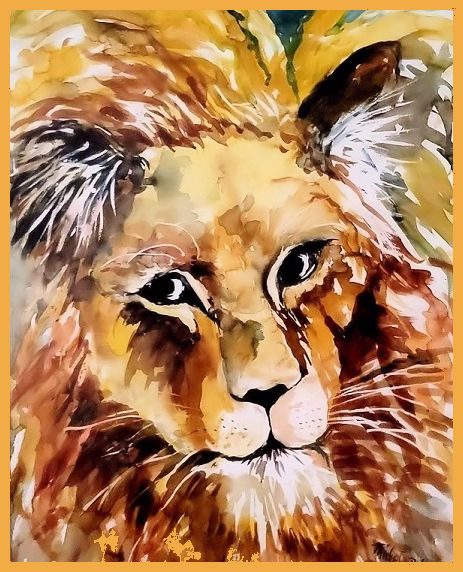
Hidden pride ∙∙
The LORD detests the proud; they will surely be punished. – Proverbs 16:5
Proverbs 16:17-22
17 The path of the virtuous leads away from evil; whoever follows that path is safe.
18 Pride goes before destruction and haughtiness before a fall.
19 Better to live humbly with the poor than to share plunder with the proud.
20 Those who listen to instruction will prosper; those who trust the LORD will be joyful.
21 The wise are known for their understanding, and pleasant words are persuasive.
22 Understanding is a fountain of life to one who has it, But the discipline of fools is folly.
Human emotions are as varied as they are complex, ranging from the highs of happiness and joy to the lows of sadness and anger. Most of these emotions—like a smile of joy or a fit of frustration—are easy to spot. But some emotions dwell in the shadows, so subtle that we fail to notice them at all. One particularly elusive emotion is pride. While we often recognize pride when it manifests in boastful or arrogant behavior, there’s another form that is far more insidious and easier to overlook—the hidden pride of understating yourself.
Unlike the hubris of an overinflated ego or outward self-righteousness, hidden pride disguises itself as modesty, shyness, or self-deprecation. It’s the voice inside that rejects compliments or downplays acknowledgment. For example, when someone praises your achievements, admires your intelligence, or commends your hard work, how often do you brush it off or silently cringe instead of graciously accepting the kind words? On the surface, this might seem humble, but lurking beneath can be a form of pride shaped by insecurity.
This type of pride arises from fear and self-doubt, a reluctance to acknowledge our own worth and see ourselves as valuable. By refusing to own our strengths or achievements, we deny not only ourselves but also the gifts and abilities granted to us by God.
Charles Stanley offers an especially compelling analogy on this issue. He writes, “Our relationship with the Lord Jesus Christ is a long journey that begins at salvation and ends in heaven. Our walk is strewn with adversity, hazards, and dangers to overcome or avoid. One such obstacle is pride. It is a spiritual landmine. It is analogous to an explosive device buried in the ground to wreak horrific physical harm or death. Hidden pride is embedded and often unrecognized in our hearts” (Stanley). When it “explodes,” it causes spiritual damage. Our lives, relationships, and walk with the Lord are often profoundly impacted.
“Our enemy Satan lays spiritual landmines in our path to trip us up, and one of his most effective ones is pride. Therefore, we must learn to detect it quickly in order to guard against sin. Often, we are slow to see and admit that we have a problem with pride because it tends to hide behind feelings of inadequacy” (Stanley).
The story is told of a young man, barely into his twenties, who had recently begun his walk as a child of the King. A college student by day, he was known for his quiet demeanor and a shyness that often served as his shield against the world. Social encounters left him uncomfortable, and he spent much of his time observing rather than participating. To him, shyness was simply a part of who he was, a harmless quirk that defined his interactions with others.
One day, seemingly by chance, he stumbled upon a Christian book buried among the shelves of a campus library. Intrigued but unsure why he felt compelled to pull it out, he flipped through its pages until a startling comment caught his attention. The author remarked that shyness, often viewed as innocent, could actually be sinful. The statement struck him like lightning. Could his natural tendency to retreat from others be wrong?
The author explained that shyness, at its core, was a form of self-focus—a preoccupation with one’s own insecurities, weaknesses, or discomforts. This excessive inward gaze, the book argued, could prevent someone from stepping forward in faith, engaging with others, or fulfilling the Father’s purpose. It was pride in disguise, a hidden trap of focusing too much on self rather than trusting in God’s strength.
It was a stunning revelation the young man had never considered. Could his reluctance to speak up or engage genuinely be rooted in subtle pride? The thought unsettled him, yet it resonated deeply. For the first time, he saw his shyness as more than a personality trait—it was a barrier, a weight holding him back from the fullness of life in Christ.
With a repentant heart, he knelt down that very evening. He poured out his soul, acknowledging his hidden pride masked as shyness. “Father, forgive me,” he prayed, tears streaming down his face. “Help me to trust in You, not my weaknesses. Give me the courage to step out of myself and into Your will.”
REFLECT & PRAY
The proud man with “haughty eyes” is placed in the very worst company in Proverbs, heading the ‘seven abominations’ in Proverbs 6:17 (Kidner).
Father, please reveal all of the hurtful and wicked ways within my heart. I see the hidden pride within, acknowledge it, and release it to You.
INSIGHT
How grievous is the sin of pride? The answer is surprising and unexpected. The Father puts pride in the same category as murder (Stanley)!
Proverbs 6:16-17
16 There are six things the LORD hates– no, seven things he detests:
17 haughty eyes, a lying tongue, hands that kill the innocent [murder].
All sins are not equal. And there are seven that the Lord detests more than all others. He calls them abominations. “An abomination refers to anything that is abhorred or regarded as disgusting” (UBS). The Hebrew terms translated as “to Him” or “He detests” do not reflect the original Hebrew. The original Hebrew, napšô, literally says, “to His soul.” In essence, pride hurts and grieves the very heart or soul of God.
Ponder that for a moment and consider.
When we are guilty of these seven sins, we actually cause the Father “pain,” “sorrow,” and “disgust” in the deepest recesses of His being. In modern English, we would say, “We bring tears to His eyes” or “We break His heart.”
I would hope that no child of the King who deeply loves Him wants to do that knowingly. When we truly love someone, the last thing we wish to do is harm the person we care about.
Proverbs 6:16-19
16 There are six things the LORD hates – yes, seven which are an abomination to Him:
17 haughty eyes, a lying tongue, hands that kill the innocent,
18 a heart that plots evil, feet that race to do wrong,
19 a false witness who pours out lies, a person who sows discord in a family.
The Hebrew term translated as haughty eyes is rum, which literally means high, lofty, or exalted. Metaphorically, it has the sense of being raised up, haughty, or proud. The expression of haughty eyes refers to a proud look, suggesting arrogance.
The Scriptures are crystal clear: God hates human pride.
James 4:6 God resists the proud but gives grace to the humble. The same thought is found elsewhere in Scripture Proverbs 3:34 and 1 Peter 5:5.
“Proverbs 16:5 says, ‘Everyone who is proud in heart is an abomination to the Lord.’ That’s why we cannot serve Him while clinging to our own self-importance. When God is given second place in our lives, the work of the Holy Spirit is hindered. Then we make foolish mistakes because we are focused not on Him but on ourselves” (Stanley).
How can we actualize this in our lives and reduce our pride and arrogance?
The first step in addressing hidden pride is awareness. Take an honest look at your heart. Are there moments where you reject acknowledgment or affirmations? Do you downplay your strengths or dismiss the gifts others see within you? These subtle signs are often the clues we need to unearth this hidden struggle.
Hidden pride is a silent adversary, but it doesn’t have to define us. “The key to overcoming pride is to fix our eyes on God and the depth of His character. He alone is worthy of all exaltation” (Stanley).
Micah 6:8 O man, what is good; And what does the LORD require of you But to do justice, to love kindness, And to walk humbly with your God?
¯_(ツ)_/¯6-12-2
© Dr. H 2024
 Dr H Reflections