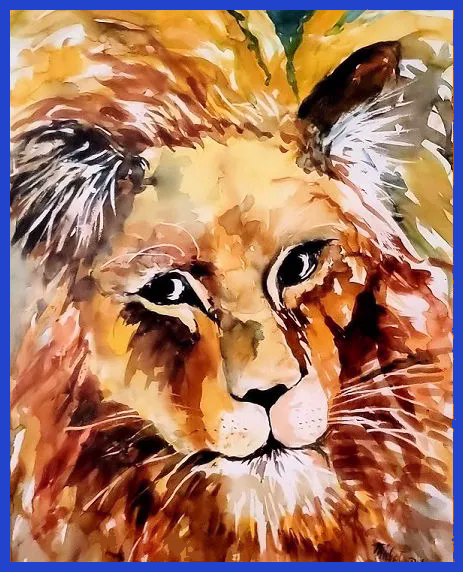
Idols in the heart ∙∙
Do not give the devil an opportunity. – Ephesians 4:27
Ezekiel 14:4-6
4 Tell them, “This is what the Sovereign LORD says: The people of Israel have set up idols in their hearts and fallen into sin, and then they go to a prophet asking for a message. So I, the LORD, will give them the kind of answer their great idolatry deserves.”
5 “I will do this to capture the minds and hearts of all my people who have turned from me to worship their detestable idols.”
6 Therefore, tell the people of Israel, “This is what the Sovereign LORD says: Repent and turn away from your idols, and stop all your detestable sins.”
What is dual citizenship? Dual citizenship, or dual nationality, is when an individual is recognized as a citizen by two countries at the same time. This status gives them the rights and responsibilities of citizenship in each nation. For example, dual citizens may hold two passports, one for each country of their citizenship.
Similarly, children of the King possess a form of “dual citizenship.” They are citizens of the world, the place of their natural birth and origin, while at the same time, they are citizens of the kingdom of God. With this dual citizenship comes a dual allegiance. However, many people try to straddle the line between these two kingdoms, living with one foot in each and swaying between them based on their needs or desires. Despite professing loyalty to the Father, their obedience can be inconsistent and unreliable. A friend once remarked, “I am submissive, very submissive whenever I want to be.”
These individuals may express allegiance to the Father, yet they are also drawn to idols they have internalized.
What Is Idolatry?
Idolatry is most commonly understood as the worship of physical idols, objects made by human hands to represent mythical gods. Ancient cultures and scriptural accounts offer examples such as Thoth, Ra, Isis, Baal, Astarte, Marduk, Zeus, Athena, and household idols. The first and second of the Ten Commandments explicitly address this issue.
Exodus 20:3-5 states:
3 You must not have any other god but me.
4 You must not make for yourself an idol of any kind or an image of anything in the heavens or on the earth or in the sea.
5 You must not bow down to them or worship them, for I, the LORD your God, am a jealous God who will not tolerate your affection for any other gods.
Children of the King might say to themselves, “I have never worshiped an idol. Idolatry is not my issue.” But idolatry is not limited to the worship of tangible, physical entities. It also includes idols that exist of the heart.
Ezekiel 14:4 warns, “The people of Israel have set up idols in their hearts and fallen into sin.”
Though children of the King belong to God, their hearts can be drawn toward internal idolatry. These idols are formed out of mental and emotional constructs, built with their own hands in a metaphorical sense. Such idols take root in the heart, hindering the intimacy they should have with the Father. If someone feels distanced from God, it might be because an idol has taken over the sacred space in their heart meant for Him alone.
This principle can also apply to human relationships. When we devote ourselves to our own “idols,” it can displace the affection and connection that rightly belong to our partners or loved ones.
Ezekiel’s Warning About Idols
The Hebrew word used for idols in Ezekiel’s writings is gillulim. This term appears 48 times in the Old Testament, with 39 occurrences in the book of Ezekiel. The word carries a derogatory meaning and is thought to originally refer to “dung pellets” or “dung-idols” (NIDOTTE). Connect the dots.
Ezekiel uses graphic language to communicate the repulsiveness of idolatry. His descriptions are vivid and direct, yet scathing, even shocking. The children of Israel were seduced by the worst of all idols, those of their own minds. Their hearts were torn, open to any form of apostasy. These internal idols seized their hearts, minds, and emotions. They succumbed to an “idol-mindedness.” Victor P. Hamilton observes, “Their sin is an inner idolatry, a mental idolatry, rather than an external idolatry. . .. It is a state of mind that is at cross-purposes with the will and being of God. It is out of the heart/mind that evil comes.”
Ezekiel’s warning extends to all believers. Idolatry, whether external or internal, is a spiritual barrier that disrupts the intended relationship between God and His people. Recognizing and addressing these idols is vital for maintaining a heart entirely devoted to the Father.
REFLECT & PRAY
“Anything that we put before God as our focus or center of attention becomes our idol. We don’t have to set up idols of wood and stone at a physical shrine in order to engage in idolatry. If there is anything that we honor above God, we have already made it an idol in our hearts” (Stanley).
Father, I confess that I have built idols with my own hands and placed them in my heart. Time and again, I have prioritized other things over You. Please encourage me and help me to uproot these idols by guiding my thoughts and emotions to be obedient to You.
INSIGHT
The Struggle with Internalized Idols
Internalized idols can take many forms and disguises. Even the most ordinary and seemingly innocent things can become idols shaped by human preferences, desires, and imaginations. Common examples include the pursuit of power, prestige, wealth, sports achievements, career success, or physical pleasure. However, less obvious things can also become idols. Such things might include pets, children, unhealthy thought patterns, negative emotions, or even chocolate. At its core, idolatry represents a battle for control over the heart and mind.
This is why we are encouraged to demolish arguments and any high-minded viewpoints that challenge the knowledge of God and to bring every thought captive in obedience to Christ (2 Corinthians 10:4).
When the heart is conflicted, the mind is overwhelmed, and emotions are under siege. This calls for serious introspection. Scripture calls us to examine ourselves to see if we are genuinely in the faith (2 Corinthians 13:5). Allowing thoughts and emotions that stand against God to linger can lead to the brink of spiraling out of control. It’s like paving the way for the enemy, opening ourselves to unwanted spiritual intrusion of our innermost being.
Ephesians 4:26-27 warns us about one specific danger, saying:
26 Be angry, and yet do not sin; do not let the sun go down on your anger,
27 and do not give the devil an opportunity. (NAS)
27 for anger gives a foothold to the devil. (NLT)
27 Neither give place to the devil. (KJV)
It is as though there is a location within our souls where the enemy can establish a foothold. From there, he can launch an assault to entice us away from pure and simple devotion to the Father. Unrestrained anger is mentioned as one example of how this can happen.
Questions for Reflection
To identify these internalized idols in your own life, ask yourself soul-searching, introspective questions such as these:
• Are negative emotions or misguided beliefs controlling how you live?
• Do negative emotions or misguided beliefs overshadow your worship and dedication to God?
• What motivates you and shapes your daily actions?
• What is your highest priority?
• Is there anything you place above your relationship with God?
By examining these aspects of your heart and mind, you can better recognize any idols that may have taken root, allowing you to refocus your life on the Father and His purposes.
Bob Dylan’s lyrics capture the heart of the matter:
But you’re gonna have to serve somebody, yes indeed
You’re gonna have to serve somebody
Well, it may be the devil, or it may be the Lord
But you’re gonna have to serve somebody
¯_(ツ)_/¯10-18-3
© Dr. H 2025
 Dr H Reflections