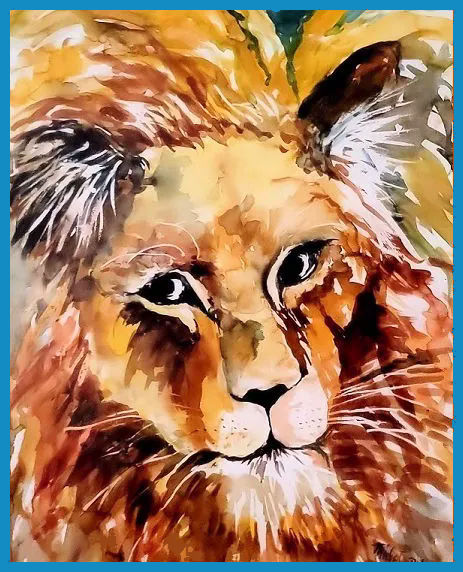
Out of the Mouth of Babes and Infants
Out of the mouth of babies and infants, you have established strength because of your foes, to still the enemy and the avenger. – Psalms 8:2 (ESV)
You have taught children and infants to tell of your strength, silencing your enemies and all who oppose you. – Psalms 8:2 (NLT)
1 Corinthians 2:3-5
I came to you in weakness: timid and trembling.
And my message and my preaching were very plain. Rather than relying on clever, persuasive speeches, I relied solely on the power of the Holy Spirit.
I did this so you would trust not in human wisdom but in the power of God.
What is Real Strength?
Throughout history, a common theme is that real strength is found in humility rather than pride, arrogance, or self-sufficiency. This paradox shows that the most enduring power comes not from self-aggrandizement but from quiet confidence, compassionate service, and reliance on something greater than oneself.
Figures like Moses showed immense courage by confronting Pharaoh. Yet, his humility is described in Numbers 12:3, “Moses was very humble, humbler than any other person on earth.”
As C.S. Lewis noted, “Humility is not thinking less of yourself; it is thinking of yourself less.” True strength is therefore found in the courage to be humble, admit faults, and lift others up, rather than in the fragile facade of pride.
Humility and Servant Leaders
Humility fosters excellent servant leadership by prioritizing service over self-interest. It fosters respect, accountability, motivation, and security. Jim Rohn asserts that “The challenge of leadership is to be strong, but not rude; be kind, but not weak; be bold, but not a bully; be thoughtful, but not lazy; be humble, but not timid; be proud, but not arrogant; have humor, but without folly.”
Humble leaders, such as Abraham Lincoln, understood that real strength comes from valuing diverse perspectives to support thoughtful, inclusive decision-making rather than self-reliance. Lincoln demonstrated this mindset by creating a “team of rivals,” bringing together individuals with different viewpoints to help guide the nation through the Civil War. In his Second Inaugural Address, delivered as the war was ending, he urged the country to heal its wounds “with malice toward none, with charity for all,” rejecting the idea of humiliating the defeated South. Instead of using his great power to dominate or seek revenge, Lincoln envisioned a future built on reconciliation and unity.
While adults choose to humble themselves to demonstrate strength, what about young children, who are inherently the most vulnerable members of society?
The Power of Praise from the Humble
The Scriptures present a profound paradox: the weakest members of society, children and infants, can silence enemies. In Psalms 8:2, we read, “Out of the mouth of babes and infants, you have established strength because of your foes, to still the enemy and the avenger.” This verse is echoed in Matthew 21:16, where Jesus affirms, “From the lips of children and infants you, Lord, have called forth your praise.” Together, these passages reveal a profound truth about the nature of God’s kingdom and the power of praise.
The voices of children and infants embody the purity and sincerity of devotion directed toward God. They offer innocent, genuine, unblemished, heartfelt, and unpretentious adoration to God.
The World Exalts Power – The Father Exalts The Humble
In a world that exalts power, status, and eloquence, God takes joy in working through the humble and lowly to fulfill His purposes. The pure, unadorned praise of children becomes a powerful weapon, a mighty defense, against the forces of darkness.
Jesus’ reference to this psalm in Matthew 21:16 comes in the context of His triumphal entry into Jerusalem. As children in the temple cried out, “Hosanna to the Son of David!” the religious leaders were offended. They could not comprehend how such simple, unrefined voices could proclaim such profound truth.
REFLECT & PRAY
The Father beckons us to approach Him with childlike faith, trusting fully in His power and proclaiming His goodness without hesitation. Pause for a moment and reflect on Psalms 8:2 and Matthew 21:16. We are reminded of the profound beauty and transformative power of humble praise.
Father, teach me to become a small child once more, held safely in Your arms, basking in Your majesty and love. Cultivate in me a heart that easily delights in and worships You.
INSIGHT
The Power of Humble Praise
Psalms 8:2 and Matthew 21:16 reveal a profound truth about the nature of God’s inverted kingdom and the transformative power of praise. They highlight how God uses the weak and unassuming to accomplish His purposes, silencing opposition and demonstrating His strength through the most unexpected sources.
God’s Strength Revealed Through the Weak
At first glance, it might seem paradoxical that our transcendent heavenly Father would choose the voices of children and infants, recognized for their vulnerability and dependence, to silence His enemies and demonstrate His strength. However, this reflects a recurring theme in the Kingdom of God, where worldly values are often turned upside down. God is pleased to use the humble and lowly to showcase His power over His enemies.
Are They Real Children?
Does it seem strange that several commentators are at a loss to define what the terms children and infants mean and how they should be understood? For example, Motyer asks, “Are we to take this literally, a foe silenced by a child? Or does David use ‘infant’ figuratively of what is tiny, weak, and powerless? There is no way of knowing . . ..”
A principle of biblical interpretation is to let the Scriptures interpret themselves. I suppose it simply goes unnoticed by some scholars that the Lord Jesus Christ clarified this when He identified them as the small children and infants praising Him.
Matthew 21:16: “They asked Jesus, ‘Do you hear what these children are saying?’ ‘Yes,’ Jesus replied. ‘Haven’t you ever read the Scriptures? For they say, “You have taught children and infants to give you praise.”’”
Barclay explains that Matthew’s use of the quotation from Psalms 8:2 clearly shows he had real children in mind. Furthermore, on that specific day in the Temple Court, events were taking place that had never occurred before. Merchants and money-changers were driven out, and the blind and the lame were being healed. “Maybe ordinarily it would have been impossible for the children to shout like this, but this was no ordinary day. . .” It was only natural for children to recognize and understand who the Lord Jesus Christ was. Yet, sadly, the scholars and religious leaders were opaque and remained oblivious.
Jesus’ Affirmation of Childlike Praise
As children in the temple cried out, the religious leaders were indignant. They could not comprehend how such simple, unrefined voices could proclaim such profound truth. Yet, Jesus affirmed their praise, reminding us that God’s truth is often revealed through the unassuming and overlooked. The voices of children, untainted by pride or pretense, reflect the kind of faith and worship that pleases God.
Hebrew Terms for Babies, Infants, and Strength
The terms“babes“ and “infants” collectively highlight the vulnerability and powerlessness of society’s youngest members, underscoring the contrast between their inherent frailty and the strength God grants them.
The Hebrew term translated as “babies” is olelim. Olelim refers to “young children, particularly those in early developmental stages, such as toddlers.” It conveys “vulnerability, dependence, and innocence.”
The Hebrew word for “infants”is yonqim. The word yonqim specifically denotes “nursing infants, highlighting their complete reliance on their mothers for nourishment.” This term emphasizes the “profound helplessness associated with newborns.”
The phrase “you have established strength”signifies “God’s ability to reveal His power in unexpected ways.” The Hebrew word translated as “strength” is ’oz, meaning “strength, power, or might.”
A Challenge to Our Understanding of Worship
These passages invite every child of the King to reconsider their understanding of strength, significance, and worship. God does not seek polished words, repeated lyrics, grand gestures, or elaborate rituals to be glorified. Instead, He treasures the sincerity of a heart that recognizes His greatness.
The pure and unpretentious praise of a child, free from pride or self-awareness, acts as a powerful example for all children of the King. It calls us to approach God with childlike faith, trusting in His power and boldly proclaiming His goodness without hesitation.
The Spiritual Power of Simple Worship
These verses also remind us that spiritual power resides even in the simplest acts of worship. When we lift our voices in praise, no matter how small or unassuming it seems, we join a timeless chorus that transcends generations. This chorus silences the enemy and proclaims the victory of our King. Whether through the innocent song of a child or the heartfelt prayer of an adult child of the King, God’s strength is perfected in our weakness. God’s wisdom often transcends human understanding, revealing itself through humility and innocence.
Mother Teresa sagaciously observed, “Not all of us can do great things. But we can do small things with great love.”
A Call to Embrace Humble Praise
Human weakness creates space for God’s power. The phrase “Out of the mouth of infants” reminds us that God uses the simple, unfiltered voices of children to demonstrate strength and perfect praise, confounding the wise and powerful. This highlights that true spiritual insight is not gained through status or intelligence but through faith, openness, and sincerity, qualities children naturally embody.
The Lord Jesus Christ affirmed this truth by welcoming children and declaring that the kingdom of heaven belongs to them. Their innocent recognition of His identity humbles the spiritually blind religious scholars. How often does a child’s simple observation reveal a deep truth that adults have missed, often due to their own biases or complexities?
The Lord Jesus Christ asserted how crucial it is to have childlike faith in Matthew 18:3, “Truly, I say to you, unless you turn and become like children, you will never enter the kingdom of heaven.”
¯\_(ツ)_/¯
© Dr. H 2026
 Dr H Reflections