
The Dirty Dozen and the Filthy Thirteen
David writes, I sought the Lord, and he answered me; he delivered me from all my fears. – Psalms 34:4
He altered his behavior in their presence. Since he was in their power, he pretended to be insane, making marks on the doors of the gate and letting his saliva run down his beard. – 1 Samuel 21:13
1 Samuel 21:11-15
But the officers of Achish were unhappy about his being there. “Isn’t this David, the king of the land?” they asked. “Isn’t he the one the people honor with dances, singing, ‘Saul has killed his thousands, and David his ten thousands’?”
David heard these comments and was very afraid of what King Achish of Gath might do to him. So he pretended to be insane, scratching on doors and drooling down his beard.
Finally, King Achish said to his men, “Must you bring me a madman? We already have enough of them around here! Why should I let someone like this be my guest?”
The Dirty Dozen and the Filthy Thirteen
The 1967 war film The Dirty Dozen, directed by Robert Aldrich and starring an ensemble cast including Lee Marvin, Charles Bronson, and others, is a fictionalized account of a group of misfit soldiers assigned a dangerous World War II mission.
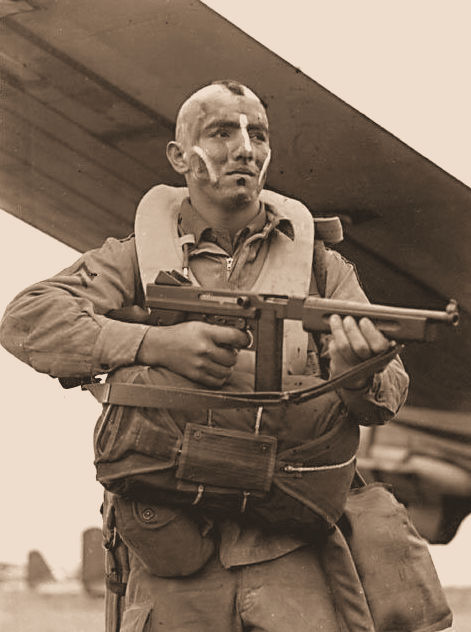
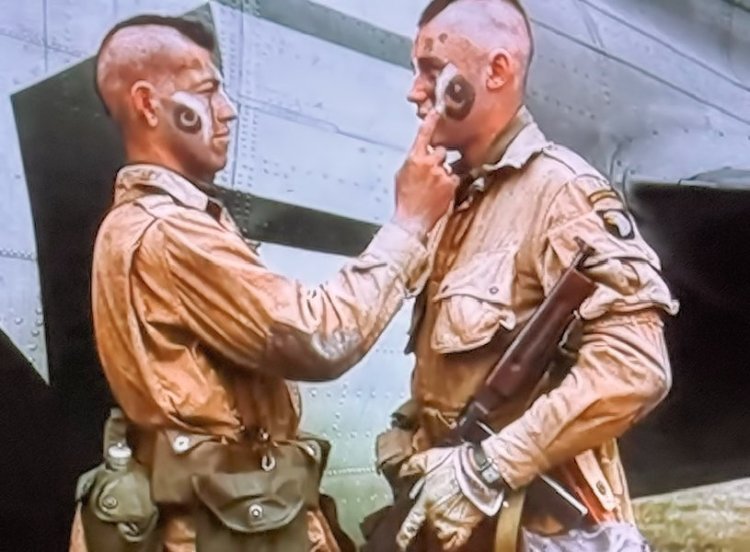
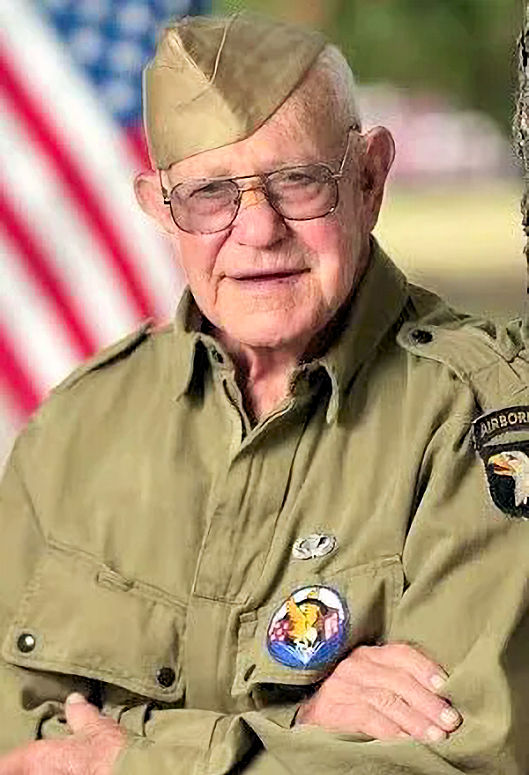
The screenplay, based on E.M. Nathanson’s 1965 bestseller, was inspired by the real-life exploits of the Filthy Thirteen, a demolition unit of the 101st Airborne Division. The Filthy Thirteen got their nickname while training in England, where they washed and shaved only once a week. Known for their rebellious attitudes, unconventional methods, and fearless combat missions. The Filthy Thirteen became legendary for their daring operations, including their role in the Normandy invasion. Their distinctive Mohawk haircuts and war paint symbolized their defiance and unity, cementing their place in military lore. Jake’s widow, Martha McNiece, recalled the psychological effect of the warrior face paint. “And it not only scared the Germans; it scared the Frenchmen when they landed in France.”
Known for their rebellious attitudes, unconventional methods, and fearless combat missions. The Filthy Thirteen became legendary for their daring operations, including their role in the Normandy invasion. Their distinctive Mohawk haircuts and war paint symbolized their defiance and unity, cementing their place in military lore.
Rosemary Giles writes, “The most important difference between the paratroopers and The Dirty Dozen, however, is that the men weren’t criminals; they just didn’t follow the rules.” Further, Giles adds, “Giles notes their defiant attitude, evident “in the unit’s disregard for rules, lack of respect for superior officers, and frequent involvement in conflicts”(https://www.warhistoryonline.com/world-war-ii/filthy-thirteen.html).
Jake “McNasty” McNiece
At the heart of this legendary unit was Jake McNiece, a leader whose life and actions offer profound lessons in courage, ingenuity, and how God can work through even the most unlikely individuals to achieve extraordinary purposes. Born in Oklahoma, McNiece was shaped by a restless, rebellious spirit that made him an unconventional soldier. Traits often seen as liabilities, such as his defiance of authority and refusal to conform, are paired with boldness and quick thinking, turning them into remarkably effective tools. His story is one of audacity and ingenuity, not polished or refined, but forged in the crucible of war. What some might have labeled insubordination or noncompliance became, in the chaos of battle, a strength that set him apart. He considered himself “the head troublemaker” of a group of troublemakers.
McNiece’s readiness to challenge authority was not rooted in mere defiance but in a profound conviction that he needed to do only what was essential to success. Beyond that, he considered additional orders merely suggestions.
Their reputation was built not only on their battlefield achievements but also on their refusal to conform to military norms. Their disregard for rules, frequent clashes with superior officers, and penchant for brawling created constant tension within the ranks. They were unruly, difficult to control, but impossible to ignore. The NCO Journal, 2022, asserted that “They were arguably among the most difficult, insubordinate, and undisciplined individuals in the U.S. Army while in garrison.” Ultimately, their superiors stopped trying to rein them in and instead simply unleashed them on the Germans, where their defiance and audacity became their greatest weapons.
As the leader of the Filthy Thirteen, what stands out most about Jake “McNasty” McNiece is that his quick thinking, boldness, resourcefulness, toughness, and excellence were not the result of refinement or perfection but of real-world trials. He led with instinct, made decisive moves when others faltered, and guided his legendary unit through perilous missions behind enemy lines. His story serves as a powerful reminder that discipline and greatness are not always neat or conventional; they often emerge in individuals who may be difficult to manage but are impossible to ignore.
He led a “Pathfinder” team (“stick”) of 10 men. 80% of the team was expected to die in every mission. During the Battle of the Bulge, the 101st was surrounded and outnumbered at Bastogne in the freezing Ardennes Forest. Jake volunteered to jump into Bastogne to guide desperately needed resupply drops. Amid artillery barrages and subzero temps, they marked drop zones under fire, saving countless lives.
God Equips Those He Calls
McNiece’s life shows that greatness need not be perfect or orderly. Leadership is about faithfulness and a willingness to face the unknown, not about being flawless. His natural leadership and unique approaches helped him succeed in dangerous situations. His story demonstrates that the Father uses impulsive, unrefined people for His kingdom purposes and that human weakness often reveals real strength. As Paul writes in 2 Corinthians 12:9, “My grace is sufficient for you, for my power is made perfect in weakness.”
One of McNiece’s most remarkable traits was his skill at using disguises, sabotage, and deception to outwit the enemy. He understood that war was not merely about brute force but about creativity, strategy, and the ability to move unseen through hostile territory.
REFLECT & PRAY
Jowett observed, “There are many people who are not afflicted by calamity, but who are greatly burdened by the fear of it.” But to those who are in fellowship with the Lord, there comes “the peace of God, which transcends all understanding” (Philippians 4:7). To love God and to trust him is to be rid of fear (1 John 4:18).
Father, thank You for beckoning me to come to You with my concerns and fears. Thank You for answering and delivering me from all my fears.
INSIGHT
McNiece Mirrors the Story of David
As we reflect on McNiece’s legacy, we are reminded of Isaiah 41:10: “Do not fear, for I am with you; do not be dismayed, for I am your God. I will strengthen you and help you; I will uphold you with my righteous right hand.”
McNiece’s courage, ingenuity, and willingness to embrace the unexpected mirror the story of David. Like McNiece, David’s quick thinking and adaptability enabled him to thrive in high-stakes situations, whether by altering his appearance or activities, or by engaging in direct combat. The Father often works through those who defy convention to achieve His purposes.
Excellence in Imperfection
As recorded in 1 Samuel 27, this narrative finds David fleeing from Saul, who had attempted to harm him several times. After narrowly escaping, Saul sent assassins after David. Out of desperation, he fled to Gath. This was especially perilous since Gath was Goliath’s hometown, the giant David had slain years prior. Achish’s servants recognize him from the Israelite song praising his victories, in 1 Samuel 21:11, “Saul has slain his thousands, and David his tens of thousands.”
David has prayed for the Father’s protection from his enemies in Psalms 56. To evade capture, he feigns madness by scratching the city gates and letting saliva drip down his beard. Pause for a moment and picture this: the future great king of Israel acts as though he is insane, making a fool of himself. His ploy works. How could this drooling fool be any danger to the Philistines?
Achish, convinced of David’s insanity, dismisses him with the remark, “Do I lack madmen?” (1 Samuel 21:15). This clever ruse allows David to escape unharmed.
John Woodhouse ponders, “We might have doubted David’s good sense in fleeing to Gath in the first place, but now we can hardly fail to admire his capacity for dealing with a most dangerous and difficult situation . . . David’s cunning is spectacular, but that is not the ultimate explanation for what happened.” King David had great faith in the living God. He was totally confident that God would protect him. His prayer in Psalms 56:13 reveals that it is an accomplished fact before he ever arrives in Gath, “For you have rescued me from death; you have kept my feet from slipping. So now I can walk in your presence, O God, in your life-giving light.
David’s Resourcefulness and God’s Silent Providence
David’s decision to feign madness is a clever, resourceful tactic to escape peril. David humbles himself, willingly playing the undignified fool. This demonstrates that even great leaders sometimes resort to unconventional or humbling measures to survive.
Although God is not explicitly mentioned in this passage, His providence is evident. David’s plan works, and he escapes unharmed. This reminds us that God’s protection can manifest in unexpected ways, even through human ingenuity and unconventional methods. David praises God for delivering him from danger. Psalms 34:4, David writes, “I sought the Lord, and he answered me; he delivered me from all my fears.” This shows that, despite his actions, David ultimately attributes his survival to God’s intervention.
Key Takeaways from David
- Resilience and adaptability: David’s ability to think quickly and adapt, relying on the Father’s provision and guidance.
- Humility in Leadership: By setting aside his pride and feigning madness, David illustrates that true leadership often requires humility and the willingness to take unconventional actions for the greater good.
- Faith in Divine Intervention and Protection: While David used his own ingenuity to escape danger, he ultimately recognized God’s role in his deliverance.
Walking with the Father is a two-sided coin. We are to trust in God’s protection while making use of the gifts and abilities he has given us, taking practical steps.
Conclusion
David’s decision to fake lunacy in Gath is a fascinating example of human resourcefulness, humility, and God’s silent providence. It reminds us that even in moments of desperation, God is at work, providing protection and deliverance in unexpected ways. This story challenges us to trust in God’s care, use the wisdom He has given us, and remain humble in the face of adversity. Like David, we can look back on such moments and give thanks to God for His faithfulness, as David does in Psalms 34.
Isaiah 41:10: “Do not fear, for I am with you; do not be dismayed, for I am your God. I will strengthen you and help you; I will uphold you with my righteous right hand.”
¯\_(ツ)_/¯
© Dr. H 2026
 Dr H Reflections